Known for
Famous writers
Prominent writers and poets from the Turkmen cultural memory of Kirkuk and the wider region.
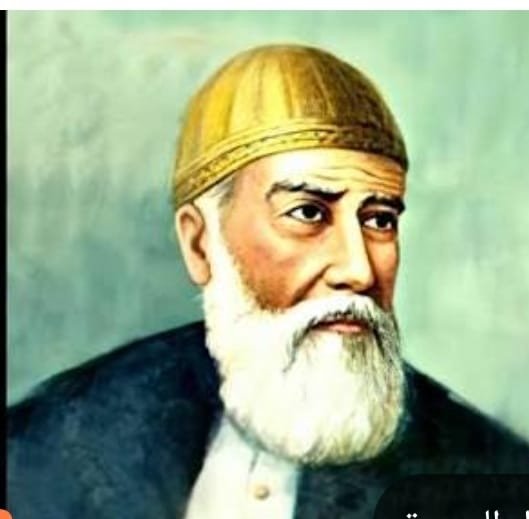
Classical poet and prose writer in Turkish, Persian and Arabic
Muhammad ibn Sulayman Fuzuli
c. 1480–1556Muhammad ibn Sulayman, known by the pen name Fuzuli, was born around 1480 somewhere in Arab Iraq, then under Aq Qoyunlu rule. His exact birthplace is unknown. Najaf or Karbala are ...
Known for
View profile
Major works: • Turkish Divan: roughly 302 ghazals, 27 qasidas, and a collection of rubāʿīs, shorter poems and strophic forms. • Leyla and Majnun: a 3,096-couplet masnavi completed in 1536 and his most celebrated narrative poem. • Beng ü Bâde: an early allegorical debate between hashish and wine. • Hadîkatü’s-Suadâ: prose interspersed with verse on the tragedy of Karbala. • Şikâyetnâme: a satirical prose letter about bureaucracy and his delayed stipend. • Rind ü Zâhid, Sıhhat u Maraz/Hüsn ü Aşk, the Persian Divan, Translation of the Forty Hadith, Enîsü’l-Kalb, and Heft Câm/Sâkīnâme. Well-known individual poems: • Su Kasidesi, the “Water Qasida.” • The ghazal beginning “Beni candan usandırdı, cefadan yâr usanmaz mı?” • The ghazal beginning “Öyle sermestim ki idrâk etmezem dünya nedir.” • The Rose, Morning Breeze and Dagger qasidas. Very short public-domain excerpt from the opening couplet of his famous ghazal: Original: “Beni candan usandırdı, cefadan yâr usanmaz mı? / Felekler yandı âhımdan, muradım şem‘i yanmaz mı?” New English rendering: “The beloved has wearied me of life—will the beloved never weary of cruelty? The heavens burn from my sighs; will the candle of my hope never catch fire?”
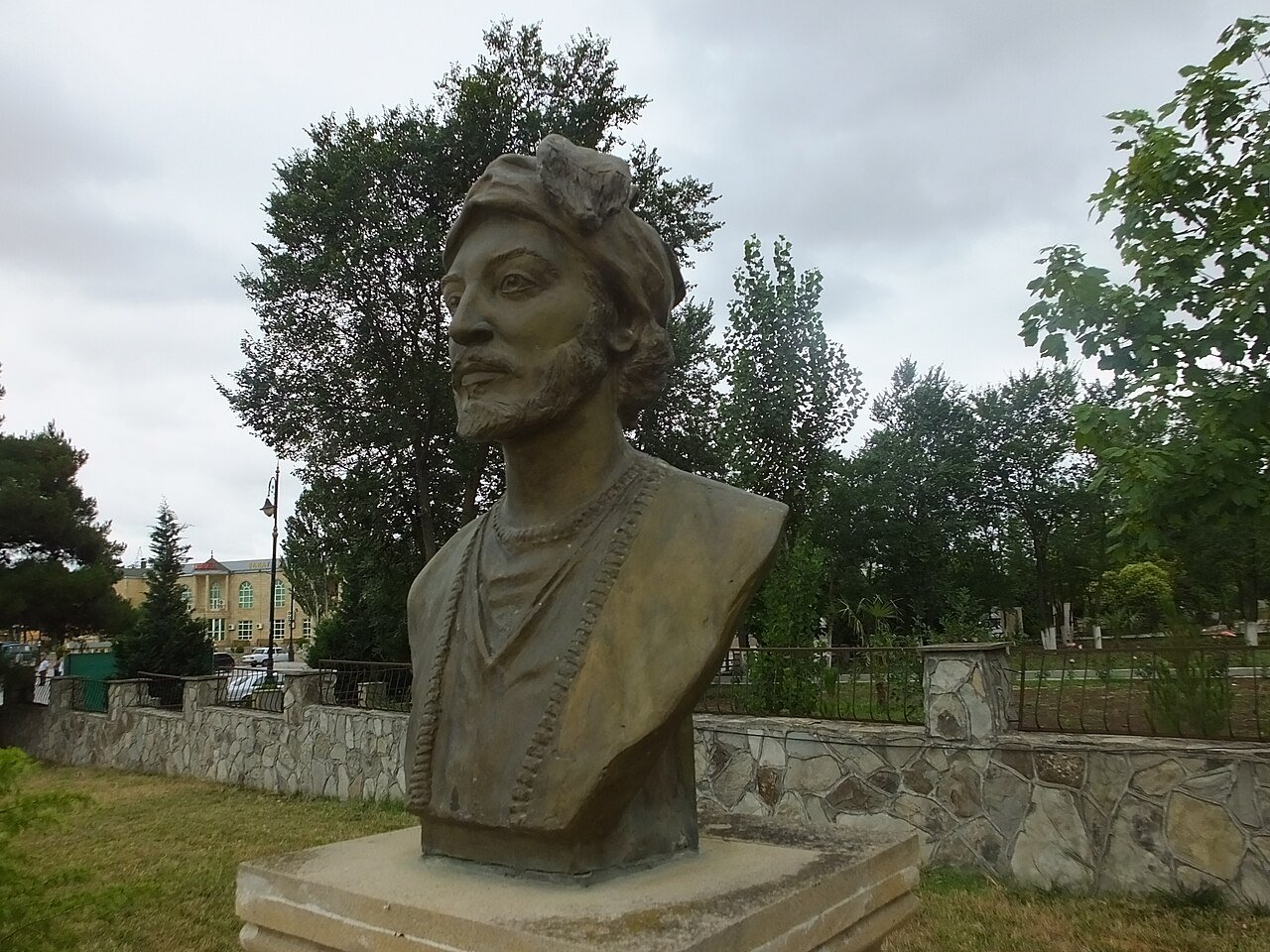
Mystical and Hurufi poet in Turkish and Persian
Seyyid Imadaddin Nasimi
1369–1417, the conventional datesThe poet is known as Seyyid Imadaddin Nasimi. Some sources give his personal name as Seyyid Ali ibn Seyyid Muhammad, but both his name and the details of his birth remain historica...
Known for
View profile
Major works: • Turkish/Azerbaijani Turkish Divan: one critical edition records three masnavis, 457 ghazals, four mustazads, one murabba, three tarjibands and 315 tuyuğs. • Persian Divan: about 290 ghazals, seven qasidas, five masnavis, 85 rubāʿīs and other forms, including a few Arabic and mixed-language poems. • Mukaddimetü’l-Hakāik: a Turkish prose treatise on religious and Hurufi subjects; its attribution to Nasimi is uncertain. • A late source attributed an Arabic Divan to him, but no such collection has been found. Well-known poems: • Sığmazam, beginning “Məndə sığar iki cahan, mən bu cahana sığmazam.” • Dəryayi-mühit cuşa gəldi. • Dilbəra, mən səndən ayrı. • Ağrımaz, Firqətin yandırdı bağrım, and Mərhəba. Very short public-domain excerpt from Sığmazam: Original: “Məndə sığar iki cahan, mən bu cahana sığmazam / Gövhəri-laməkan mənəm, kövnü məkanə sığmazam.” New English rendering: “Two worlds can dwell within me, yet I cannot fit within this world; I am the placeless jewel, contained by neither existence nor place.”
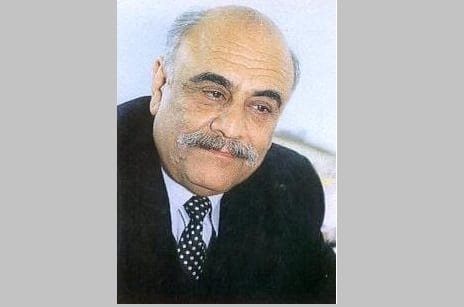
Iraqi Turkmen poet, writer, journalist, translator, and folklorist
Abdullatif Benderoglu
1937–2008Abdullatif Imran Benderoglu was an Iraqi Turkmen poet, writer, journalist, translator, and folklorist. Born in Tuz Khurmatu in 1937, he completed his primary and middle education i...
Known for
View profile
His principal poetry collections and long poems include Güneş Sergisi / Günəş şərqisi (1969; the spelling of the title varies by source), Yurd Torpağı (1971), Gürgür Baba (1973), Doğu İnsanları (1975), Göyercinlerin / Güvercinlerin Ezgisi (1975–1976), Gerenfil / Qərənfil (1977), Çıplıq ve Yara (1979), Deryanın Dibi (1980), Yanar Dağlardan Püsküren Ulduzlar (1982), Ürek Çırpıntıları (1987), Göyler Unutmuşdu Yağacağını (1991), Yolun Sonunadək (2002), and Gecənin Qanayan Yarası (2003). His research includes Irak Türkmen Edebiyatı Yolunda Bir Adım, Irak Türkmen Dili, Irak Türkmen Edebiyatına Bir Bakış, Atasözlerimiz, and studies of Nesimi, Fuzuli, and Azerbaijani poetry; he also helped prepare a four-volume Turkish–Arabic dictionary. Documented individual poem titles include Hello, He Cried Out, Kirkuk, Mother Tongue, I Am an Iraqi Turkmen, Lines for the Homeland, Carnation, The Epic of Iraq, and My Beautiful-Eyed Beloved. His recurring themes include the mother tongue, homeland, Kirkuk and Tuz, Iraqi and Turkmen identity, freedom, social justice, exile, Azerbaijan, and love.
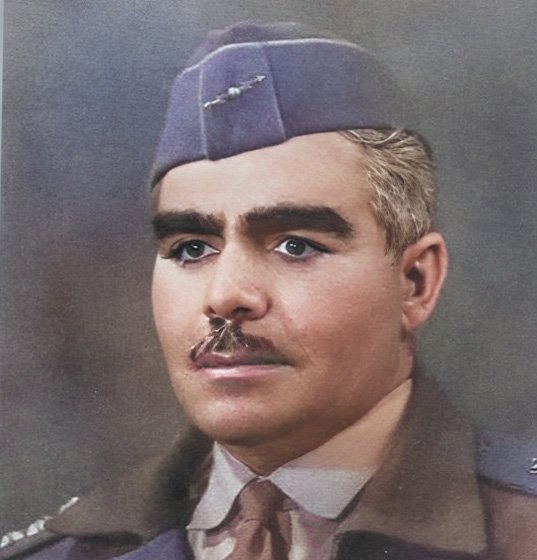
Iraqi Turkmen historian, folklorist, journalist, translator, and poet
Shakir Sabir Zabit
1913–1990Shakir Sabir Zabit was an Iraqi Turkmen historian, folklorist, journalist, and translator whose poetry is also documented in an academic bibliography. He was born in Kirkuk in 1913...
Known for
View profile
His documented books include The History of Friendship between Iraq and Turkey (1955), A Brief History of the Turkmen in Iraq (1959), Proverbs in the Speech of the Iraqi Turkmen (1961–1962 in differing edition records), Social Life in Kirkuk: Folklore (1964), A Historical Study of the Bayat Tribe (1965), Turkish Commanders in the Abbasid Army (1965), International Relations and Border Treaties between Iraq and Iran (1966), Symbols, Signs, and Marks in Arabic Printed Works (1968), and A History of the Disputes and Wars between Iraq and Iran (1984). His articles include Kirkuk's Cultural Place Through History (1964) and The Efforts of Arab Thinkers to Reform the Ottoman State (1980). An academic index also documents two Turkmen poems published in Kardaşlık: Kırmızı Şeytan (The Red Devil), consisting of twenty-two couplets in eight-syllable meter, and İzmir, consisting of ten couplets in eleven-syllable meter. Only the titles and bibliographic facts are given here; the full copyrighted poems are not republished.
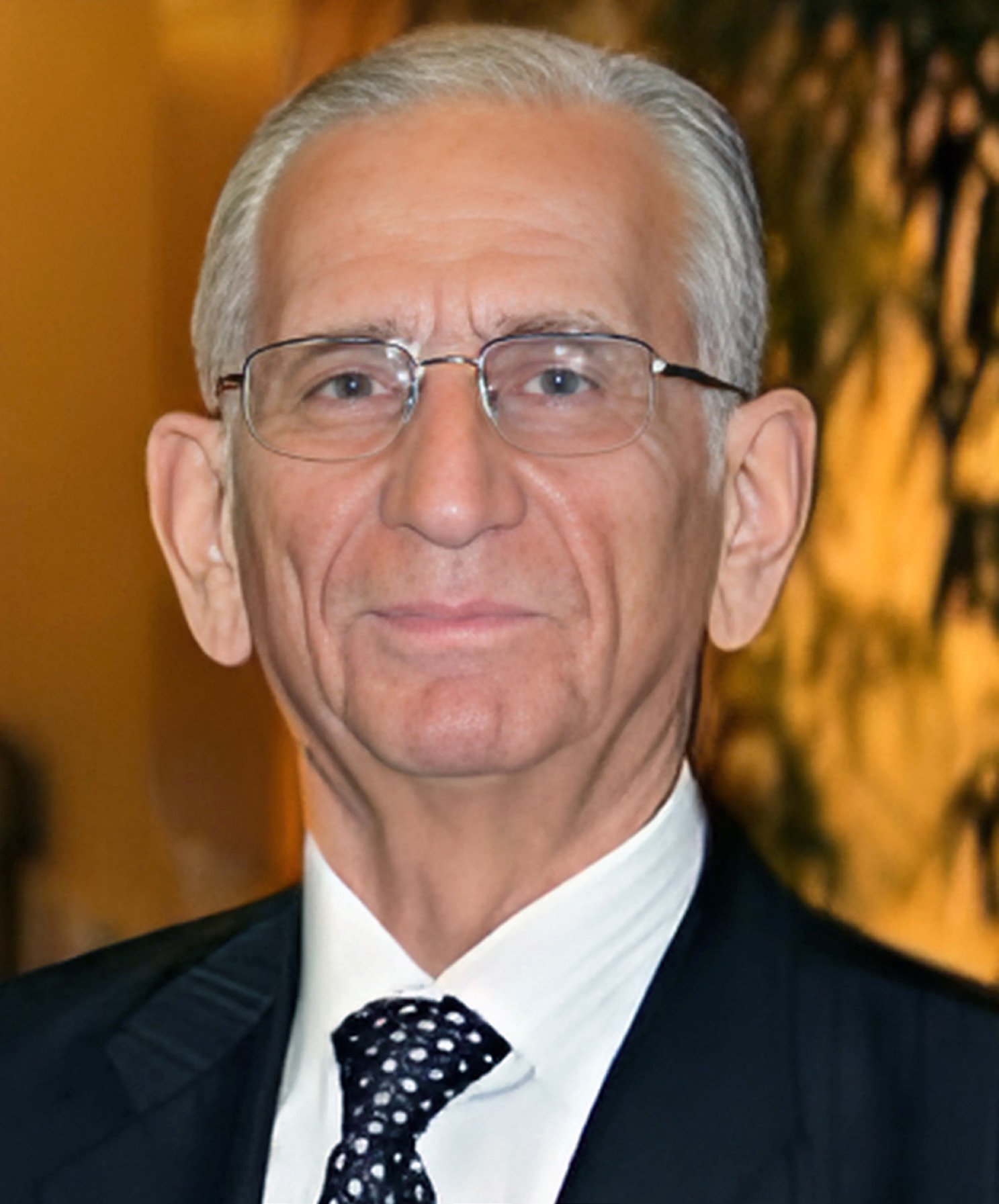
Iraqi Turkmen lawyer, journalist, linguistic researcher, and translator
Habib Abd al-Jabbar Hurmuzlu
1933–2025Habib Abd al-Jabbar Hurmuzlu was an Iraqi Turkmen lawyer, journalist, linguistic researcher, and translator. Born in Kirkuk's Begler quarter in 1933, he belonged to the city's Turk...
Known for
View profile
His principal works include Oversight of Public Institutions in Iraqi Law (1977), Dictionary of Kirkuk Turkish (2003), Turkmen Tribes and Clans in Iraq with Ekrem Pamukçu (2005), Dictionary of Iraqi Turkmen Turkish (2013, an expanded edition of the earlier dictionary), A People Called the Turkmen (2016), Memoirs of a Turkmen Journalist (2016), The Turkmen within Iraq's Legal Structure (Turkish translation, 2020), The July 1959 Kirkuk Massacre (2020), and Notable Iraqi Turkmen Personalities (2023). He translated into Arabic works on Kirkuk's identity, Hashim Nahit Erbil, and the historical Turkish presence in Iraq, and published many articles on law, language, politics, and culture. No verified poetry collection or poem authored by Hurmuzlu was found; he was a researcher and writer, not a poet, and poems should not be attributed to him.
Related reading